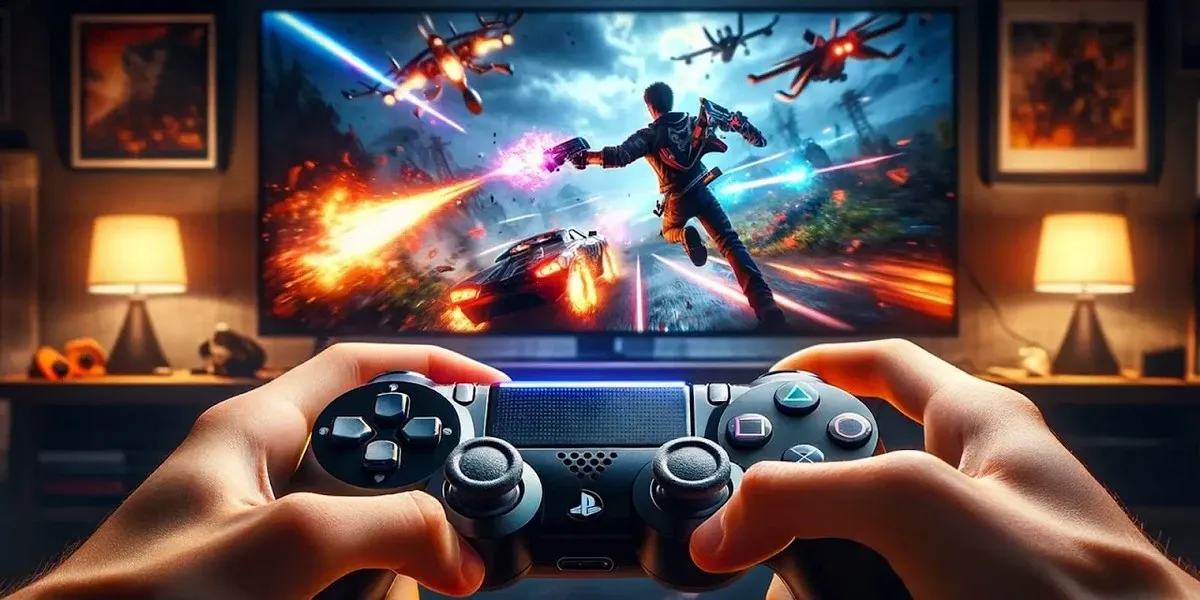
Play as a universal language of modern culture
Play has always been an essential form of human interaction. Through it, we learn to follow rules, compete in a healthy way, and manage emotions like frustration and satisfaction. Today, video games, mobile games , and board games are central to entertainment and modern lifestyles. Playing is not just about having fun; it’s about facing intellectual challenges, making strategic decisions, and experiencing the constant motivation to improve.
The thrill of playing: strategy, decision-making, and reward in play culture
One of the keys to the game’s appeal lies in the balanced combination of logic and emotion. In any game, the player analyzes information, evaluates options, and accepts the consequences of their decisions. This mental process is common in both competitive video games and strategic board games, where every move has a direct impact on the final outcome.
In today’s digital ecosystem, many entertainment platforms have adopted structures clearly inspired by gaming. Leveling systems, progressive rewards, and defined objectives are reminiscent of the mechanics that keep millions of players hooked worldwide. From this perspective, MelBet bonuses can be understood as a playful element that enhances the user experience, offering incentives similar to the achievements or rewards unlocked in video games and mobile games.
As the player becomes more familiar with the rules and dynamics, the experience becomes deeper and more satisfying. The feeling of control, while always conditioned by rules and probabilities, is one of the main drivers of interactive entertainment. This explains why different game formats, seemingly disparate, share a common psychological foundation centered on decision-making and the anticipation of the outcome.
In the case of sports, this logic is particularly evident. Following an international competition involves constant analysis, data interpretation, and a narrative that unfolds match by match. Within this dynamic, betting on the Champions League becomes a natural extension of the interest in the game, where football knowledge, statistics, and personal intuition form part of an interactive experience that goes beyond mere observation.
What unites all these forms of entertainment is the active involvement of the player. Always approached responsibly, the appeal lies in feeling that every decision matters, that there is a real challenge, and that the reward is a direct result of analysis and strategy. For this reason, games and chance share a common emotional language within contemporary gaming culture.
Video games: interactive worlds and personal growth
Video games have established themselves as one of the most influential cultural industries of the 21st century. They offer complex experiences that combine narrative, advanced mechanics, and progressive challenges. The desire to win transforms into a motivation to learn, adapt, and master increasingly sophisticated systems, reinforcing the player’s long-term commitment.
Mobile games: flexible and everyday entertainment
Mobile games stand out for their accessibility and ability to adapt to today’s fast-paced lifestyle. Designed for short sessions, they use immediate rewards and clear objectives to keep the user engaged. This form of gaming demonstrates how interactive entertainment can be seamlessly integrated into daily routines.
Board games: shared strategy and human connection
Despite digital advancements, board games continue to hold an important place in gaming culture. They encourage direct interaction, strategic thinking, and communication among players. Each game becomes a social experience where logic and emotion are authentically balanced.
Gaming as part of lifestyle and entertainment culture
Today, play is a cultural expression that influences how we socialize and consume entertainment. From video games and board games to other interactive experiences, play responds to a basic human need: to actively participate, make decisions, and feel the satisfaction of achieving a goal. That’s why logic, emotions, and the desire to win remain the driving force behind modern entertainment.
Leave a Comment